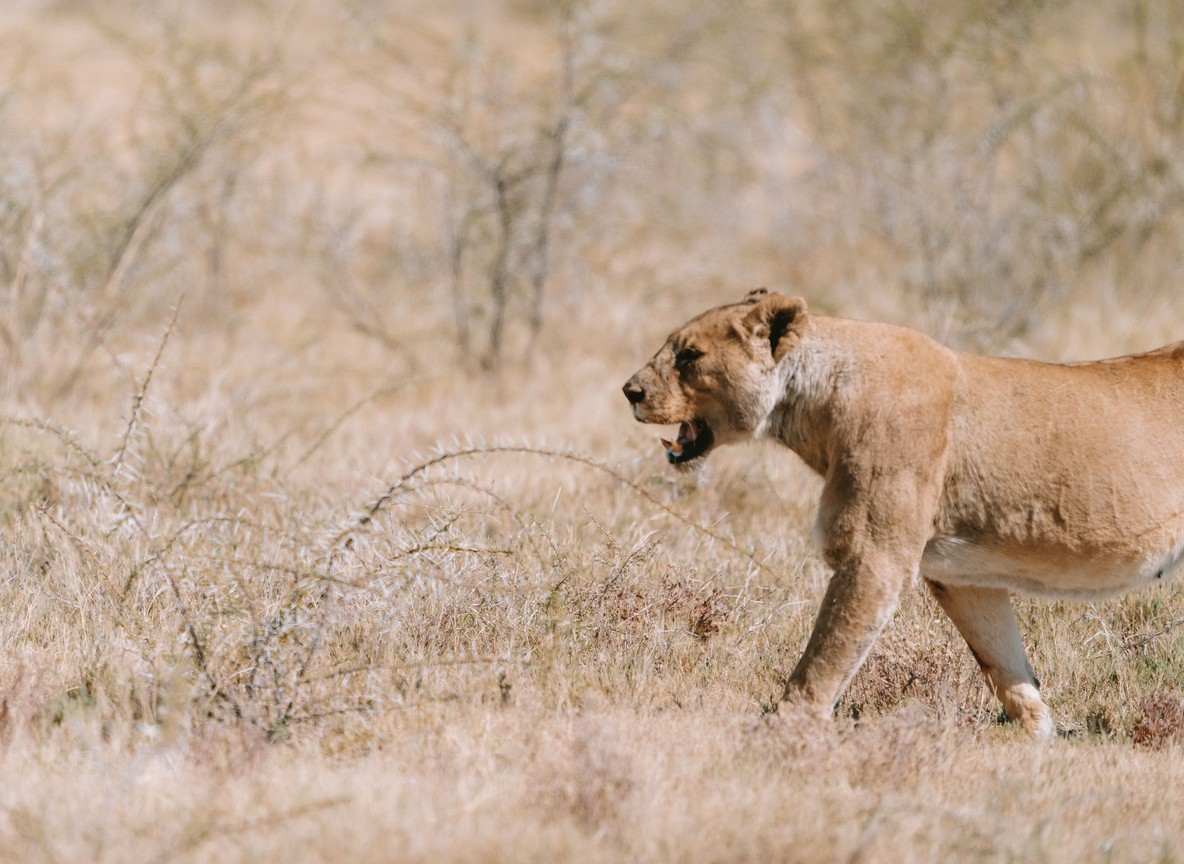
On July 14, 2026, field teams walked into southern Tsavo East National Park to start counting lions the hard way. No collars, no darting, just cameras, GPS units, and three months of tracking every big cat they can find by sight. Touring Insights looks at why this survey matters, what it will actually measure, and what it tells travelers about one of Kenya’s most important lion strongholds.
This is not a routine check-in. It is part of a wider pattern of Kenya recounting its lions across several ecosystems, because the last confirmed numbers are already years old in a landscape that keeps changing.
What’s Happening: Tsavo’s New Three-Month Carnivore Survey
The Wildlife Research and Training Institute (WRTI) launched the survey with two partners on the ground: Tsavo Trust and the Tsavo Simba Project. The Lion Recovery Fund is backing it financially and technically.
Field teams spent two days training on survey design, carnivore identification, and data quality checks before heading out. Their job over the next three months is to record GPS coordinates, distance covered, time spent searching, and photographs of every lion, leopard, cheetah, wild dog, and hyena they encounter in the survey zone.
The focus area is southern Tsavo East, one section of a much larger landscape. The greater Tsavo ecosystem, which includes both Tsavo East and Tsavo West National Parks plus surrounding conservancies, covers more than 22,000 km2. That makes it one of the largest continuous protected wildlife areas left in Africa.
How You Count Lions Without Touching Them
Older lion counts often relied on collaring or call-in stations that lure animals with recorded sounds. This survey uses a different method: Spatially Explicit Capture-Recapture, known as SECR.
Instead of tagging animals, researchers photograph each lion they see and match individuals using natural markings. Whisker spot patterns, ear notches, scars, and mane shape all work like a fingerprint. When the same lion turns up in two different locations on two different days, that repeat sighting becomes a data point. Run enough repeat sightings through the SECR model and you get a population estimate with a measurable confidence range, not just a guess.
Kenya Wildlife Service already uses SECR as its standard method for lion source populations elsewhere in the country. Applying it to Tsavo lines this survey up with national data instead of producing a number that cannot be compared to anything else.
Tsavo’s Lion Numbers: What We Know Before the New Count
Before this survey, the most recent figures came from Tsavo Trust’s own fieldwork. Their estimate puts the wider Tsavo-Amboseli ecosystem at roughly 675 lions, with a density of about 3.39 lions per 100 km2 across Tsavo East and Tsavo West combined.
That density number matters more than it sounds. Tsavo Trust estimates it represents only about 25 percent of what the ecosystem could carry if prey and habitat conditions were fully favorable. In plain terms, Tsavo has room for more lions than it currently holds, and researchers want to know why the gap persists and whether it is closing or widening.
Why Kenya Keeps Recounting Its Lions
Tsavo is not an isolated exercise. Kenya’s national lion population rose from a low of 1,970 in 2008 to 2,589 in a 2021 national census, a real recovery after decades of decline. But that number is an average across dozens of parks, reserves, and conservancies, and it goes stale fast in any single ecosystem.
Lions move across county lines, park boundaries, and community land in search of prey and territory. A count that is five years old cannot tell rangers where conflict hotspots are forming today, or whether a specific pride has grown, shrunk, or shifted range. Fresh, localized data like the Tsavo survey feeds back into that national figure and keeps it honest.
Tsavo East vs Tsavo West: The Numbers Behind the Survey
| Factor | Tsavo East National Park | Tsavo West National Park |
|---|---|---|
| Park size | 13,747 km2 | approx. 9,065 km2 |
| 2026 survey coverage | Southern Tsavo East (active survey zone) | Not part of this survey round |
| Main gates | Voi, Manyani, Buchuma, Sala, Mtito Andei | Mtito Andei, Chyulu, Tsavo Gate |
| Nairobi to main gate (road) | approx. 330km via Voi, 5 hours | approx. 240km via Mtito Andei, 4-4.5 hours |
| Mombasa to main gate (road) | approx. 160km to Voi Gate, 2.5 hours | approx. 200km to Tsavo Gate, 3-3.5 hours |
| Non-resident entry fee (indicative) | USD 45-60/day | USD 45-60/day |
| Ecosystem-wide lion density | 3.39 lions per 100 km2 (combined East and West) | shared figure |
Fees and travel times are indicative and change; confirm current KWS rates on the eCitizen portal before booking.
What This Means for Your Safari Timing
A three-month survey does not close Tsavo to visitors. Game drives, lodge bookings, and gate access continue as normal through the survey period, which runs from mid-July into mid-October 2026.
What changes is the information available. If the survey confirms lion density is climbing in southern Tsavo East, that area could see more predator sightings on drives near Voi and the Aruba Dam circuit over the next couple of dry seasons. If numbers hold flat or drop, Tsavo Trust and WRTI will likely publish recommendations on habitat or prey management that could shape which zones get more ranger patrols.
Either way, travelers booking a Tsavo safari for late 2026 or 2027 are looking at a park with an actual, current lion count behind it, something the ecosystem has not had in years.
Explorer Notes
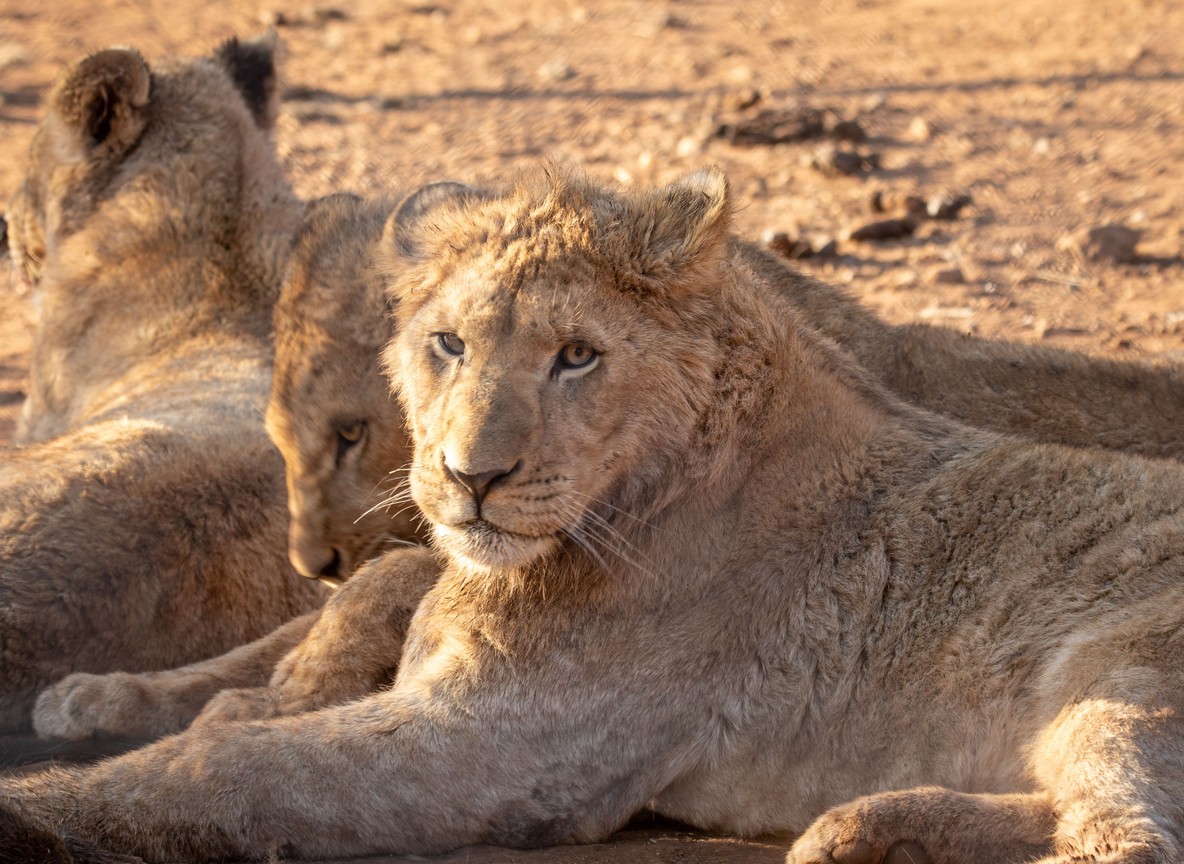
Ask your guide at Voi Gate or on a Tsavo East game drive whether they have seen the survey vehicles. Field teams typically work early morning and late afternoon, the same windows when lions are most active, so overlapping with them on a drive is possible even if not guaranteed.
Southern Tsavo East, the survey’s focus zone, sits within reach of camps around Voi and the Aruba Dam area. If your itinerary already routes through there, you are visiting the exact ground being surveyed this season.
Lion density stays low across Tsavo compared to the Mara, so patience matters more than luck here. Guides who work Tsavo daily read tracks and listen for alarm calls from impala and zebra rather than relying on radio tip-offs common in denser lion country.
Pack for red dust. Tsavo’s volcanic soil coats everything, including camera gear, so a rain cover or dry bag for equipment is worth the extra weight even in dry season.
Frequently Asked Questions
What is the Tsavo lion population survey? It is a three-month scientific count of lions and other large carnivores in southern Tsavo East National Park, launched July 14, 2026 by the Wildlife Research and Training Institute, Tsavo Trust, and the Tsavo Simba Project.
How do researchers count lions without collaring them? They use Spatially Explicit Capture-Recapture, identifying individual lions by natural markings like whisker spots, ear notches, and scars, then modeling repeat sightings into a population estimate.
How many lions live in Tsavo right now? The most recent Tsavo Trust estimate puts the wider Tsavo-Amboseli ecosystem at roughly 675 lions, at a density of about 3.39 per 100 km2 across Tsavo East and West combined.
Why does Kenya keep recounting its lion population? The national count stood at 2,589 in a 2021 census, but lions move across ecosystems constantly, so localized surveys like this one keep that national figure current and guide conservation decisions.
Will the survey affect visitor access to Tsavo East? No. Game drives, gates, and lodge bookings continue as normal throughout the survey period, which runs from mid-July into mid-October 2026.
Curious what fresh lion data could mean for your own Tsavo itinerary? Visit our Tour Packages page, or ask a partner operator which Tsavo East circuits pass closest to the current survey zone.
What to Read Next
- New to this park? Start with our Tsavo East National Park guide.
- Planning your dates? Check the best seasons in Tsavo East.
- Weighing where to go next? Compare it with our Tsavo East vs Tsavo West guide.
Further reading
More safari planning resources
- Map of Tsavo from Valley Safaris
- Tsavo complete guide on Touring Insights
- Tsavo destination guide on FindMySafari
- Big Five safari parks guide on Touring Insights
Related guides: Amboseli Big Cats: Lions, Cheetahs and Leopards — What to Realistically Expect.